
PVC vs CPVC vs HDPE Pipes | Atlas Pipe System
Compare PVC, CPVC & HDPE pipes to understand their applications, benefits & differences for plumbing & construction projects in the UAE.
7/16/20265 min read
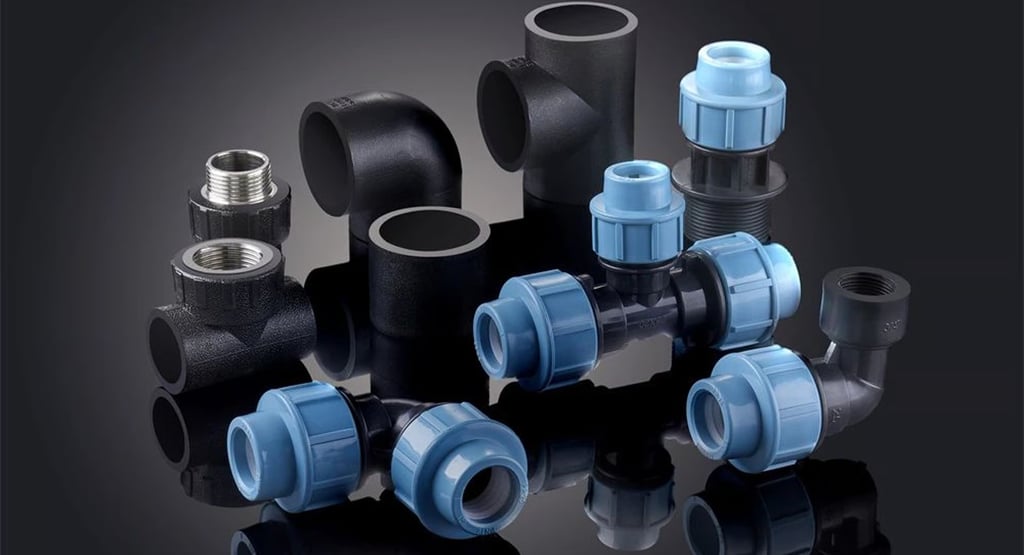
PVC vs CPVC vs HDPE: Which Atlas Pipe System Is Right for Your Project?
What’s your process for figuring out which pipe among PVC, CPVC, and HDPE is the pipe that fits your project needs? Most people go straight to a pipe supplier and ask for a catalogue, trying to make sense of the specifications and technical jargon it mentions. But don’t worry, this is not a problem without a solution. In fact, we see this confusion on an everyday basis at Build World Dubai, where our customers approach us with questions on which one of these pipes they should go for and why.
The truth is, all three of them look almost the same on paper. However, they behave differently once they are in the ground or behind your walls. Piping networks are supposed to handle fluid dynamics, chemical exposure, temperature variations, and mechanical stress for decades. This is why selecting the right piping material is considered to be one of the most critical decisions in modern construction, MEP (mechanical, electrical, and plumbing) contracting, and infrastructure engineering.
Choosing a pipe variety that doesn’t suit your requirements can lead to leaks, premature line failures, inspection failures, and operation downtime, and will cost you a lot of money. Atlas pipes and fittings are a widely recognized option in Dubai for their high manufacturing standards, durability, and compliance with regulatory standards.
This article intends to go deep into the Atlas pipes and fittings systems and explain them in plain and simple language so that everyone, including those who are just getting to know that there are three different types of pipes in construction, can understand what it means and make a confident, informed decision for their projects.
Atlas pipes and fittings: what makes them a reliable option
There is a reason why Atlast is one of the most established piping brands in the Middle East: their products are designed to handle the Gulf region’s harsh conditions, such as extreme heat and high UV exposure. They can also deal with the demanding pressure requirements across both residential and industrial applications.
At Build World Dubai, we have the full collection of Atlas pipes and fittings range, including PVC, CPC, and HDPE variations, along with compatible fittings. Every product we sell at Build World is genuine and certified. This way, you can make sure that you are not building your dream project with counterfeit or substandard pipe materials. You know how much this matters, especially with Dubai’s strict industry standards and regulations.
What is PVC?
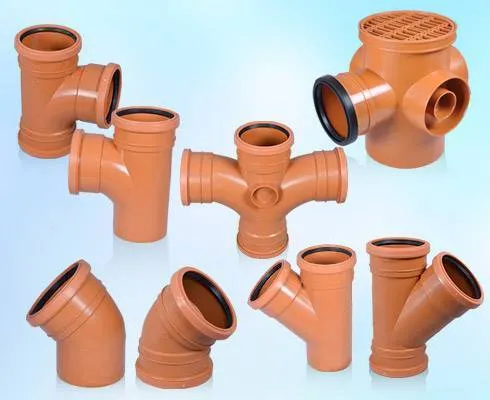
PVC or polyvinyl chloride is the most widely used plastic piping material in the world, and that's for good reason. Coming to Atlas PVC pipes, they are characterized by their rigidity, lightweight, and high resistance to corrosion. They are easy to install, comparatively affordable, and durable, making them a popular choice across a wide variety of projects.
PVC is best for,
Drainage and wastewater systems
Cold water supply chains
Irrigation networks and agricultural systems
Low-pressure distribution networks
Electrical circuit runs
Major advantages of PVC pipes include,
Lightweight (makes them easy to handle on site)
Resistance to rust, scale, and chemical corrosion
Long service life (usually up to 50 years or more under normal conditions)
Smooth internal bore (reduces friction and improves flow)
Cost-effective when compared to a metal alternative or even CPVC
Where PVC is not suitable
Hot water: PVC softens and deforms at temperatures above 60 degrees Celsius (approximately). This makes it unsuitable for any system carrying hot water. Meaning, if your project involves hot water supply lines or other high-temperature applications, PVC is not the right choice.
Direct sunlight exposure: PVC handles UV within a reasonable range in the short term. However, prolonged exposure to UV rays can degrade the pipe over time unless you are using a UV-stabilized grade. So, if you intend to lay the pipe above ground, consider another variety other than PVC.
CPVC pipes and fittings
CPVC is basically the chlorinated version of PVC. The acronym stands for chlorinated polyvinyl chloride. The chlorination process improves the material’s heat tolerance significantly. This makes the pipe suitable for applications that a standard PVC pipe cannot handle. Also, CPVC pipes can handle temperatures above 90 degrees Celsius, making them suitable for hot water applications in residential as well as commercial buildings.
Frequently Asked Questions
How long do Atlas pipes and fittings last in the UAE’s climate?
When installed properly, both PVC and CPVC pipes will probably last for 50 years or more. HDPE pipes, on the other hand, can last even longer. You also need to focus on pressure class selection and material quality if you want the pipes to last longer.
Are HDPE pipes suitable for drinking water?
Yes, they are. Atlas HDPE pipes comply with the international standards and are absolutely fine to use in carrying drinking water.
What is the difference between PVC and uPVC?
uPVC or unplasticised PVC is PVC without added plasticisers, the material that makes it more rigid and harder. At Build World, we can help you figure out which of them suits your project better.
CPVC suits best for,
Hot and cold water plumbing systems
Hotel, hospital, and school plumbing networks
Residential and commercial water supply
Fire sprinkler systems
Industrial fluid transfer (especially where higher temperatures are involved)
Key advantages of CPVC
Can safely handle hot water
Better chemical resistance in comparison (works well with most acids, bases, and salts)
CPVC does not rust, corrode, or scale over time
Lifespan can go over 50 years with proper installation
Smooth-bore interior (reduced friction loss and energy use)
Better thermal insulation than metal (less heat loss in hot water lines)
Where can you not use CPVC?
Where flexibility matters: It is slightly less flexible than HDPE. This matters in applications where the pipe needs to bend or adapt to ground movement.
Cost-effectiveness: It costs more than regular PVC pipes. So, if your project solely involves cold water or drainage, a CPVC would be an unnecessary choice. Besides the purchase cost, CPVC also needs specific adhesives for joining, meaning you cannot use standard PVC cement on CPVC fittings.
HDPE Pipes and Fittings: Everything You Need to Know About Them
High-Density Polyethylene or HDPE is a completely different material from PVC and CPVC. This particular feature, which influences its behavior, makes an HDPE pipe the best option for certain demanding applications.
HDPE pipes are,
Highly flexible
Highly impact-resistant
Possesses resistance to chemicals and physical stress
Handles ground movement and vibration
Easily deals with external pressure
HDPE pipes are best for,
Underground water supply and sewage mains
Gas distribution networks
Industrial fluid and chemical transfer
Large-scale agricultural irrigation
Applications where soil movements or vibration are an issue
Infrastructure and civil work projects
Advantages of HDPE pipes
Flexibility lets the pipe bend around obstacles
Less likely to crack under pressure due to high impact resistance
Suitable for a wider range of fluids than PVC and CPVC (high chemical resistance)
Leak-free connections due to the electrofusion welding (manufacturing) process
Long service life (100 years or more)
Handles both positive and negative pressure applications
Suitable for trenchless installation methods
HDPE Pipes are not suitable for
Above-ground indoor applications (HDPE’s flexibility works as a negative factor in indoor applications, where you need rigid systems)
If you are on a tight budget (It is not a low-cost option)
Address
Warehouse No. 28, Euro Gulf Warehouses, Next to Jotun Paints, Al Quoz, Industrial Area 2 Dubai, UAE
© Copyright 2026 – 2027 | Build World General Trading | All Rights Reserved